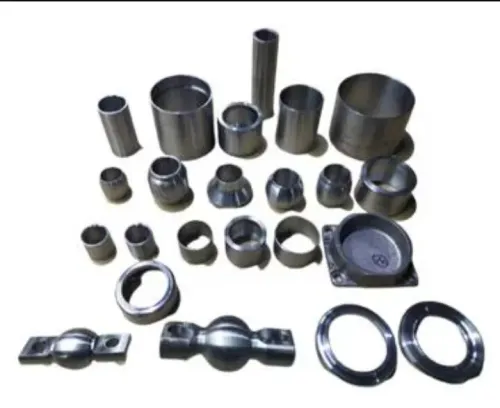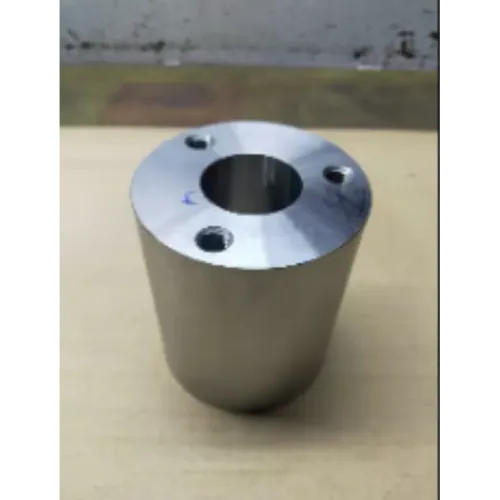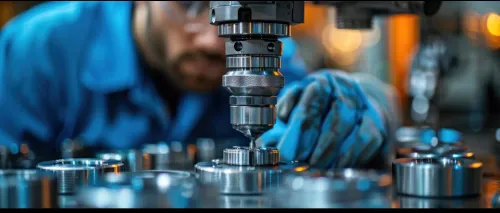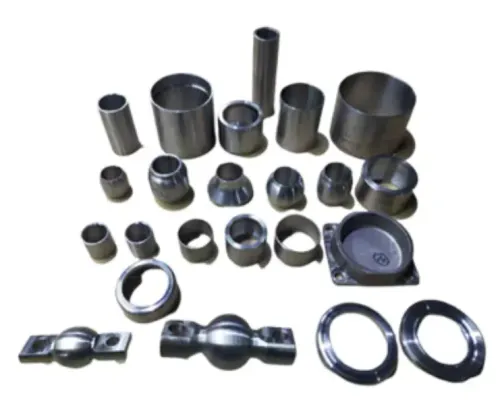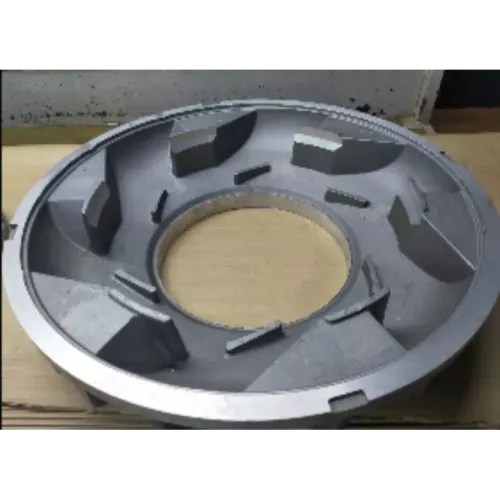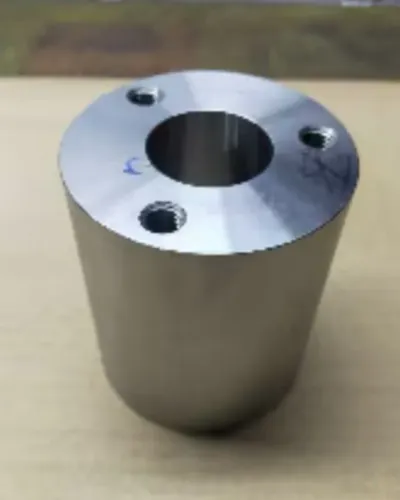
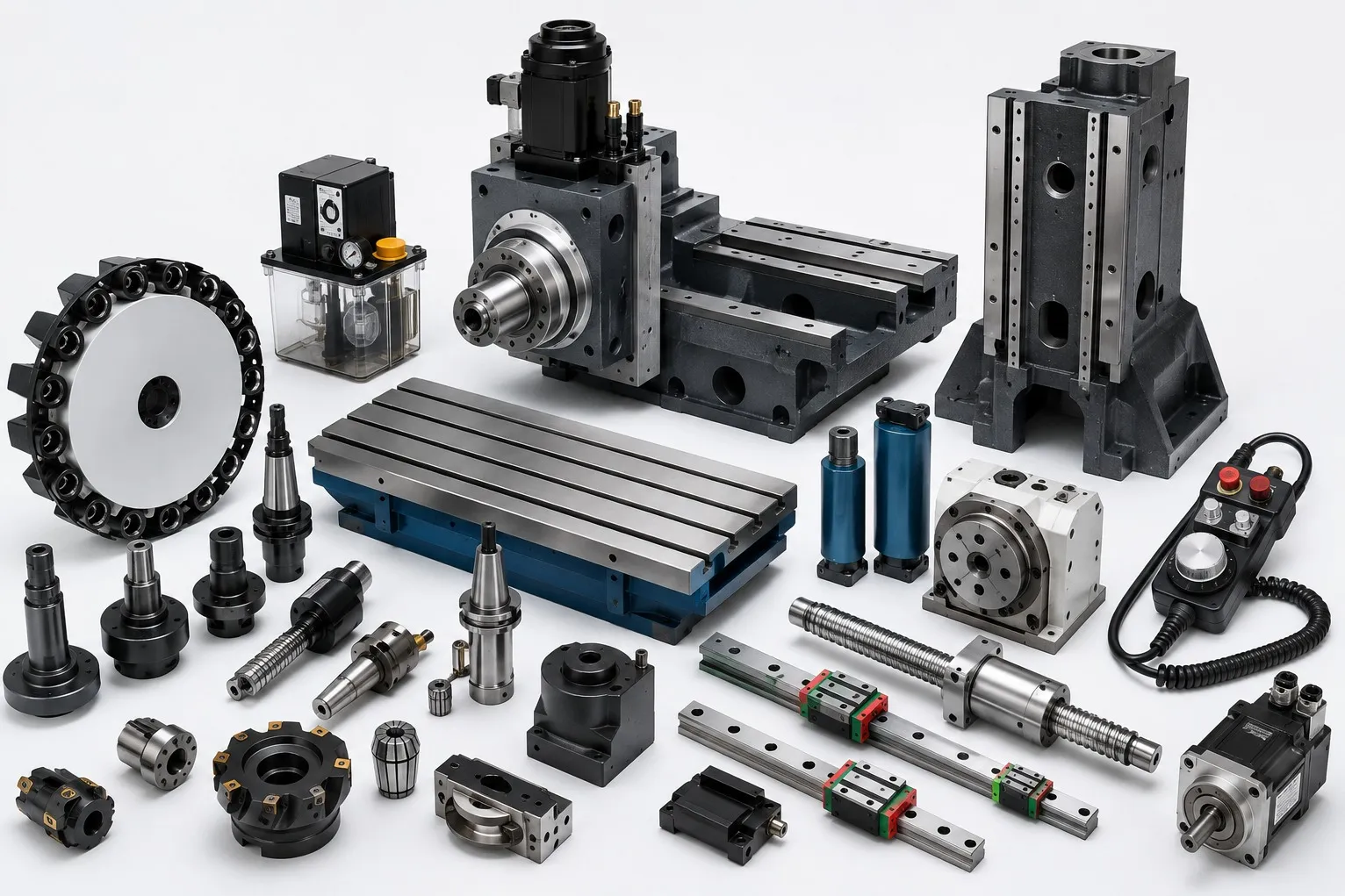
Machined components are fundamental to equipment, machinery, assemblies, and engineered systems where dimensional accuracy and reliable fit are important. Unlike general fabricated parts, these components are produced through controlled machining operations that remove material to achieve specified dimensions, geometries, holes, threads, slots, and surface characteristics.
For engineering and procurement teams in Pune, Maharashtra, understanding what determines machining quality can make supplier evaluation and component sourcing more effective.
What Are Machined Components?
Machined components are parts manufactured from raw material or preformed blanks using processes such as turning, milling, drilling, boring, tapping, and CNC machining. Depending on the drawing and application, a component may require one machining operation or several coordinated processes.
Common examples include:
- Shafts and pins
- Bushes and sleeves
- Flanges
- Housings
- Spacers
- Mounting parts
- Machine elements
- Custom engineering components
The manufacturing route depends on component geometry, material, tolerance, quantity, and end-use requirements.
Why Drawing Interpretation Matters
A technically correct component begins with the engineering drawing. Dimensions alone do not tell the entire manufacturing story.
Manufacturers may need to understand tolerances, geometric requirements, thread specifications, datum references, surface finish requirements, material grades, and inspection criteria before machining begins.
Misinterpreting even a small drawing requirement can result in a part that looks correct but does not function properly in the final assembly.
Accuracy Must Be Repeatable
Producing one acceptable component is different from producing hundreds or thousands with consistent dimensions.
Repeatability depends on factors such as:
- Machine capability
- Tool condition
- Fixture stability
- Process planning
- Operator control
- In-process inspection
- Measurement methods
For repeat orders, stable manufacturing processes become especially important because variation between batches can create assembly or performance problems.
Material Also Influences Machining
Different metals behave differently during machining. Material hardness, machinability, heat generation, tool wear, and dimensional stability can influence the final result.
A manufacturing plan should therefore consider both drawing requirements and material characteristics rather than applying the same machining approach to every component.
Pune has a broad engineering and manufacturing ecosystem serving automotive, industrial equipment, rail-related, machinery, and general engineering requirements. Companies sourcing locally can benefit from discussing specifications, quantities, inspection expectations, and delivery requirements clearly before production.
Virdaks Engineering India Private Limited supports requirements for machined components in Pune with an engineering-focused approach to component manufacturing. For buyers, the most useful starting point is a complete technical drawing and clearly defined quality requirements.
Well-manufactured machined parts are ultimately the result of controlled processes, accurate interpretation, appropriate machinery, and systematic inspection—not machining alone.
Keywords