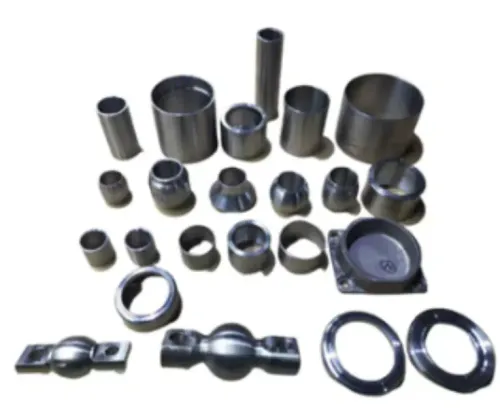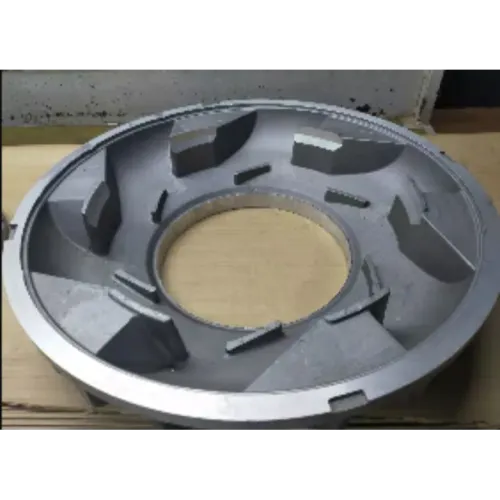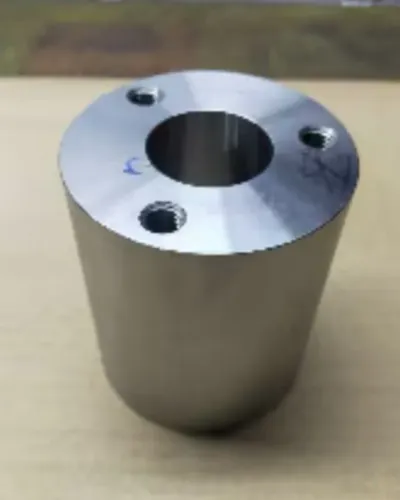
Moving from enquiry or sample development to regular production is an important sourcing decision. A machined components manufacturer may be able to produce a successful sample, but production readiness requires additional evidence of repeatability, process control, capacity, and communication.
For OEMs and engineering companies in Pune, several indicators can help determine whether a supplier is prepared for ongoing requirements.
The Manufacturing Route Is Clearly Defined
Before production, the supplier should understand how the component will move from raw material to finished part.
Depending on the drawing, the route may include turning, VMC machining, drilling, threading, inspection, deburring, and other specified processes.
A defined route reduces uncertainty once quantities increase.
Critical Features Have Been Identified
Production readiness improves when both customer and manufacturer agree on which dimensions and features are particularly important.
This helps determine:
- Tooling strategy
- Setup controls
- Inspection frequency
- Measurement methods
- Process checkpoints
Critical characteristics should come from the drawing and functional requirements rather than assumptions.
The Initial Component Has Been Evaluated
Where appropriate, checking an initial component before proceeding with the complete batch can help identify programming, tooling, fixture, or interpretation issues early.
For a new part, this stage provides useful evidence that the planned process can produce the required geometry.
Repeatability Has Been Considered
A production process should not depend on repeatedly improvising the setup.
CNC programmes, fixture arrangements, tool references, inspection methods, and drawing revisions should be controlled sufficiently to support future batches.
Capacity Matches the Requirement
A supplier may have the technical capability to manufacture a part but insufficient available capacity for the required schedule.
Before releasing a production order, discuss quantity, batch frequency, expected delivery dates, and any foreseeable changes in demand.
Quality Communication Is Practical
No manufacturing process should be evaluated on the assumption that questions will never arise.
What matters is whether technical clarifications, drawing revisions, dimensional concerns, and corrective actions can be communicated efficiently.
Pune's industrial environment includes OEMs and manufacturers with both development and recurring production requirements. Virdaks Engineering India Private Limited supports machined component manufacturing in Pune for customers with defined engineering specifications.
For procurement teams, production readiness should be evaluated through evidence rather than assumptions. A suitable manufacturer should demonstrate understanding of the drawing, a realistic process plan, appropriate machining and inspection capability, and the capacity to support the expected volume.
Once these fundamentals are established, the relationship can move from a one-time machining enquiry toward a more structured manufacturing supply arrangement.
Keywords