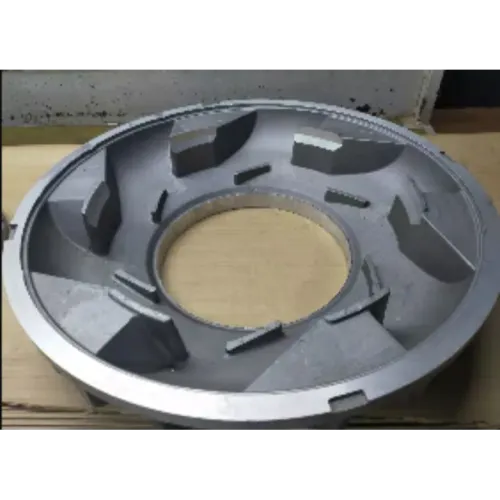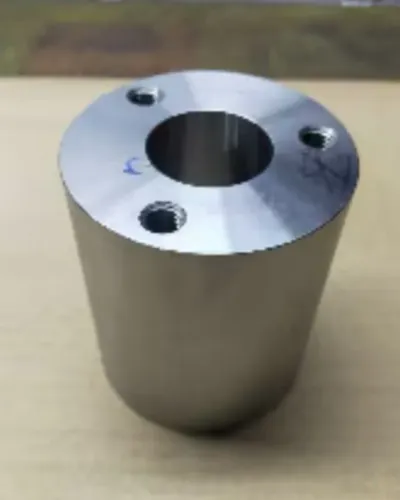
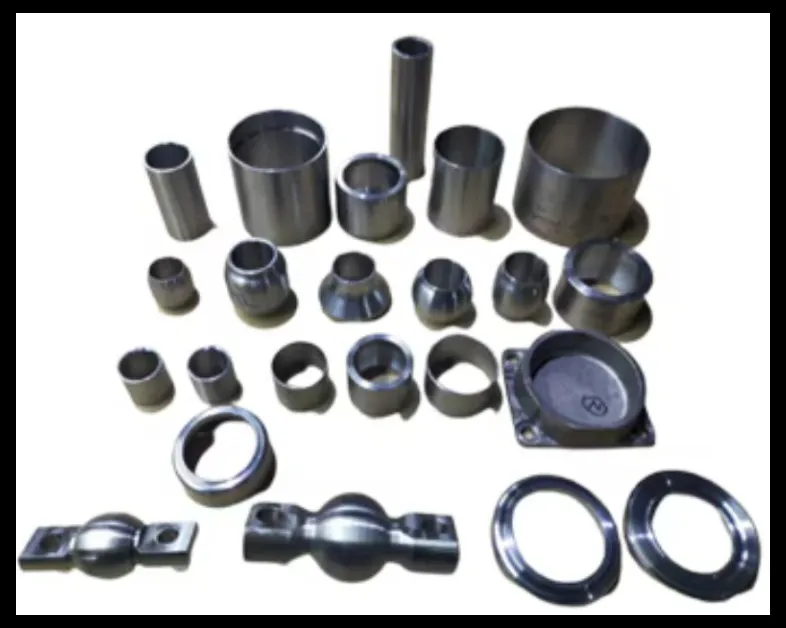
Rail applications can involve demanding operating environments, long service expectations, vibration, repeated loading, dimensional requirements, and strict project specifications. Consequently, sourcing rail products requires more than comparing a component's basic dimensions and quoted price.
For rail-sector buyers and engineering companies sourcing from Pune, Maharashtra, supplier evaluation should begin with the technical requirement.
Start With the Drawing and Applicable Specification
A rail component should be assessed against the customer's drawing, material requirement, dimensional tolerances, inspection criteria, and any project-specific specification.
Before production begins, both buyer and manufacturer should have clarity on matters such as:
- Material grade
- Critical dimensions
- Machining requirements
- Quantity
- Surface or finishing requirements
- Inspection expectations
- Identification or traceability needs
- Documentation requirements
Incomplete specifications create room for interpretation, which can lead to avoidable production issues.
Evaluate Manufacturing Capability Against the Actual Part
A supplier may have CNC equipment but still need appropriate machine capacity, tooling, fixtures, process knowledge, and inspection resources for the specific component.
Buyers should therefore evaluate capability in relation to the part rather than asking only whether CNC machining is available.
Questions worth discussing include:
- Which operations will be performed?
- How will critical features be controlled?
- Are special fixtures required?
- What inspection stages are planned?
- Can repeat orders be manufactured consistently?
These questions reveal more than a generic machinery list.
Consider Repeatability for Production Requirements
Rail projects may involve repeat batches or scheduled requirements. A manufacturing process should therefore be capable of producing consistent components across different production cycles.
Controlled setups, documented process parameters, tooling management, and appropriate inspection can help reduce unwanted variation.
Documentation Can Be as Important as the Component
Depending on contractual and technical requirements, customers may need material records, dimensional inspection information, or other manufacturing documentation.
These requirements should be communicated before quotation because additional testing, certification, or documentation can influence manufacturing scope and lead time.
Why Local Manufacturing Can Be Useful
Working with a Pune-based engineering manufacturer can make drawing discussions, sample development, technical clarifications, inspection coordination, and repeat production planning more manageable for customers in Maharashtra's industrial regions.
Virdaks Engineering India Private Limited supports the manufacturing of rail products and engineered components in Pune based on defined customer specifications.
A capable supplier relationship begins with technical clarity. Buyers should assess manufacturing capability, inspection planning, specification understanding, communication, and consistency together rather than making a sourcing decision on price alone.
For rail-related components, the right manufacturing partner is one that understands not merely how to machine the part, but how to manufacture it repeatedly against the agreed engineering requirements.
Keywords