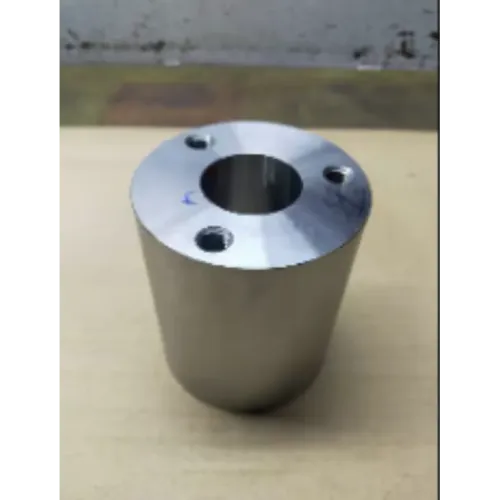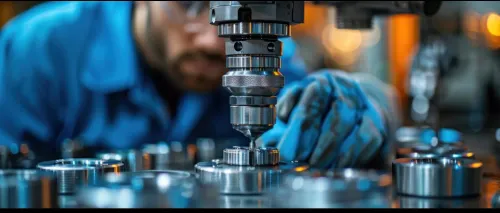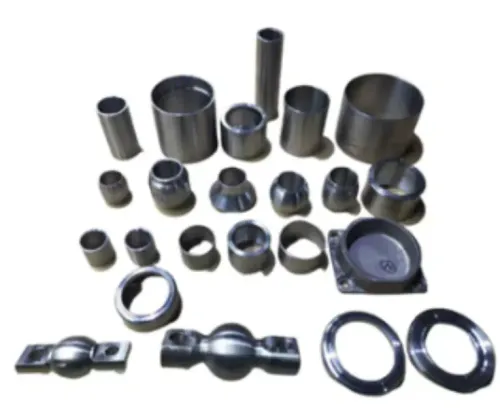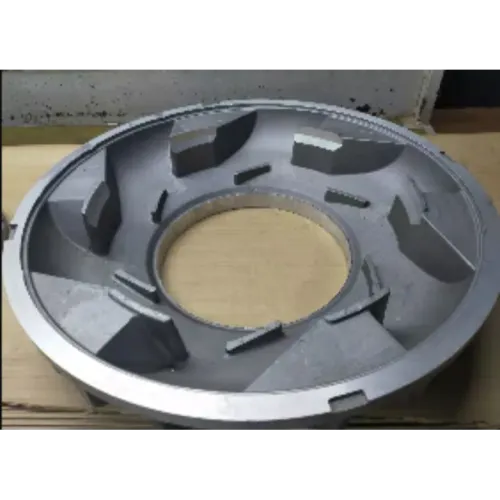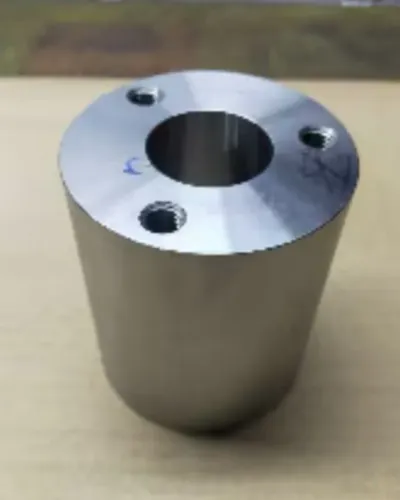
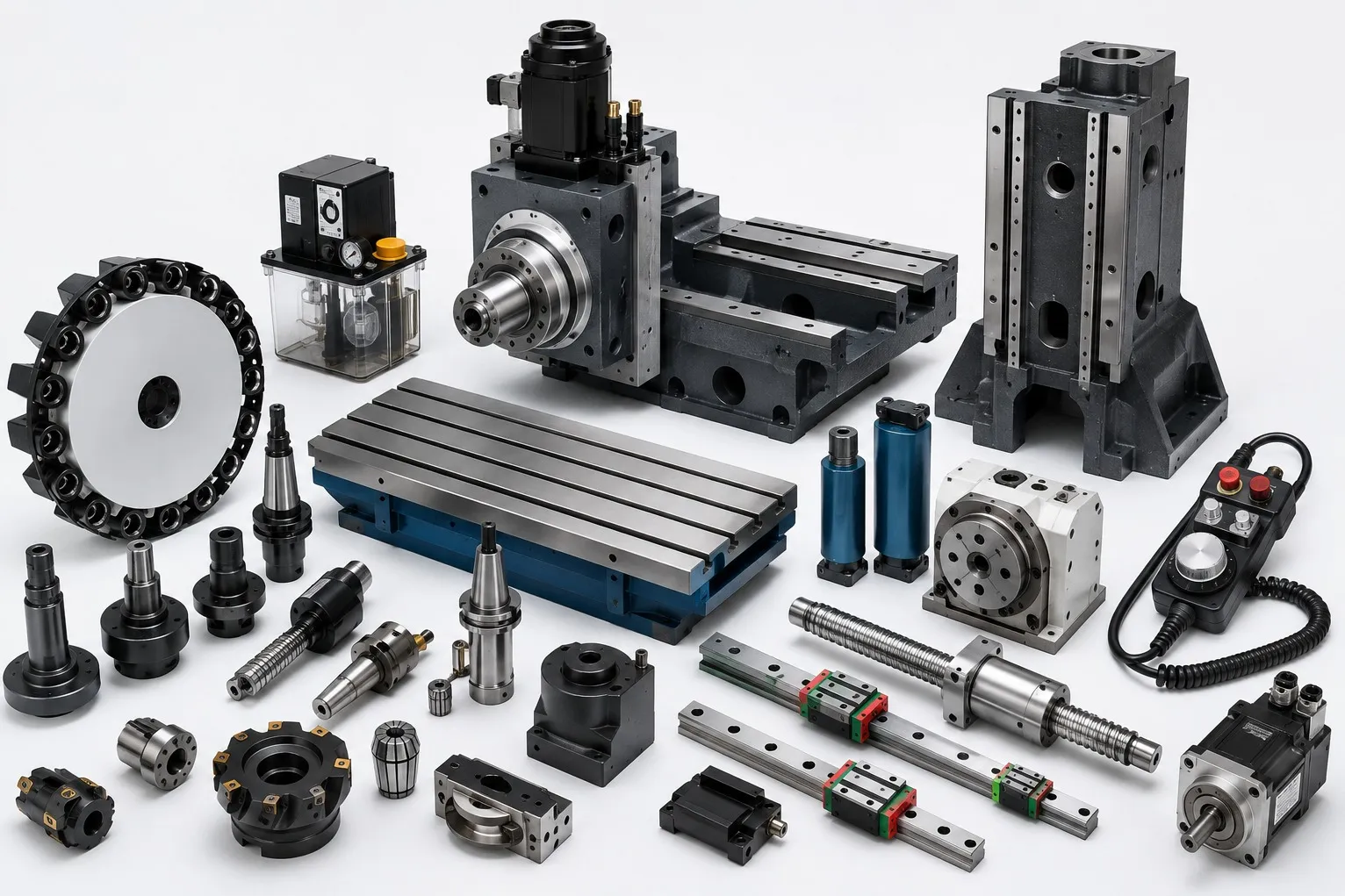
Complex engineering components often require several accurately positioned features on the same part. VMC components are commonly produced when machining requirements involve faces, pockets, slots, drilling patterns, contours, or other features that benefit from CNC-controlled milling.
For engineering companies in Pune, VMC machining can be particularly useful when component geometry demands repeatable positioning and multiple controlled operations.
What Is VMC Machining?
VMC stands for Vertical Machining Centre. In a typical VMC, the spindle is vertically oriented and CNC programming controls tool movement and machining operations.
Depending on machine capability and component design, a VMC can perform operations such as:
- Face milling
- Pocket milling
- Slotting
- Drilling
- Boring
- Tapping
- Profiling
- Contour machining
Automatic tool changing can also allow different operations to be completed within a planned machining cycle.
Where VMC Components Are Used
VMC machining is suitable for many industrial parts, including:
- Machine brackets
- Housings
- Plates
- Fixtures
- Mounting blocks
- Flanges with complex hole patterns
- Equipment components
- Custom mechanical parts
Suitability depends on size, geometry, tolerances, material, and production quantity.
Fewer Setups Can Improve Process Control
Every time a component is repositioned, there is potential for setup variation. A carefully planned VMC process can machine several related features within one setup or a controlled sequence of setups.
This can help maintain positional relationships between holes, faces, pockets, and profiles.
However, machine capability alone does not guarantee accuracy. Fixtures, tooling, CNC programming, cutting parameters, and inspection remain equally important.
Design Decisions Affect Machining Efficiency
Engineering teams can improve manufacturability by considering tool access, internal corner radii, pocket depth, hole depth, wall thickness, and realistic tolerances during design.
Features that are unnecessarily difficult to access or tolerances that are tighter than the function requires may increase manufacturing complexity.
This is why early technical communication between design and manufacturing teams can be valuable.
Pune is home to manufacturers across automotive, industrial machinery, automation, rail engineering, and capital equipment sectors, creating regular demand for CNC and VMC-manufactured parts.
Virdaks Engineering India Private Limited manufactures VMC components in Pune according to defined engineering requirements. Customers preparing a new component for production can improve quotation accuracy by supplying drawings, material information, expected quantities, and applicable inspection requirements.
VMC machining delivers the greatest value when equipment capability is combined with sound process engineering. For complex parts, that combination can support efficient machining and repeatable component quality.
Keywords