Choosing the right machining process begins with understanding the geometry of the component. Two of the most widely used manufacturing approaches are turning and milling, but they are suited to different types of features.
For procurement and engineering teams in Pune, knowing the distinction can help when developing drawings, requesting quotations, and discussing production feasibility for turned components.
How Turning Works
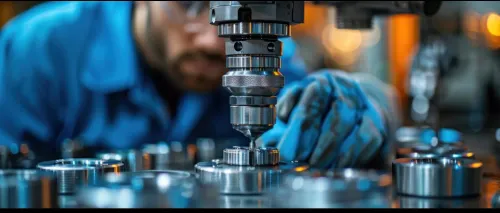
In turning, the workpiece rotates while a cutting tool removes material. This makes the process particularly suitable for components with cylindrical or rotational features.
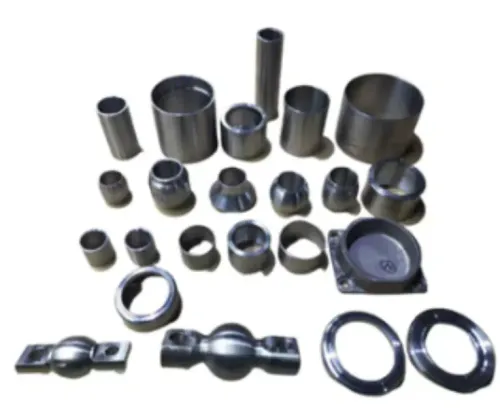
Typical turned parts include:
- Shafts
- Pins
- Bushes
- Sleeves
- Spacers
- Collars
- Threaded components
- Cylindrical inserts
Operations may include facing, external turning, internal boring, grooving, threading, drilling, and parting.
How Milling Is Different
During milling, a cutting tool rotates and removes material from a workpiece that is held in position or moved along controlled axes.
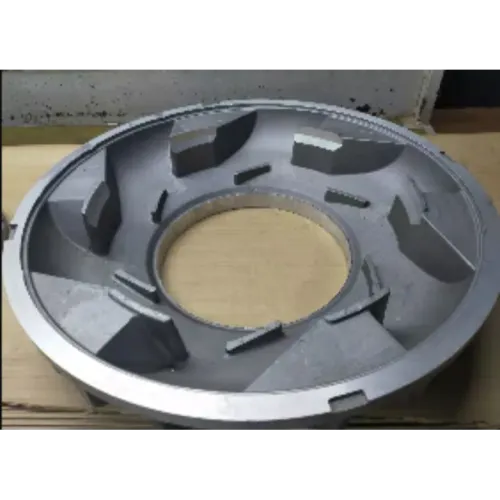
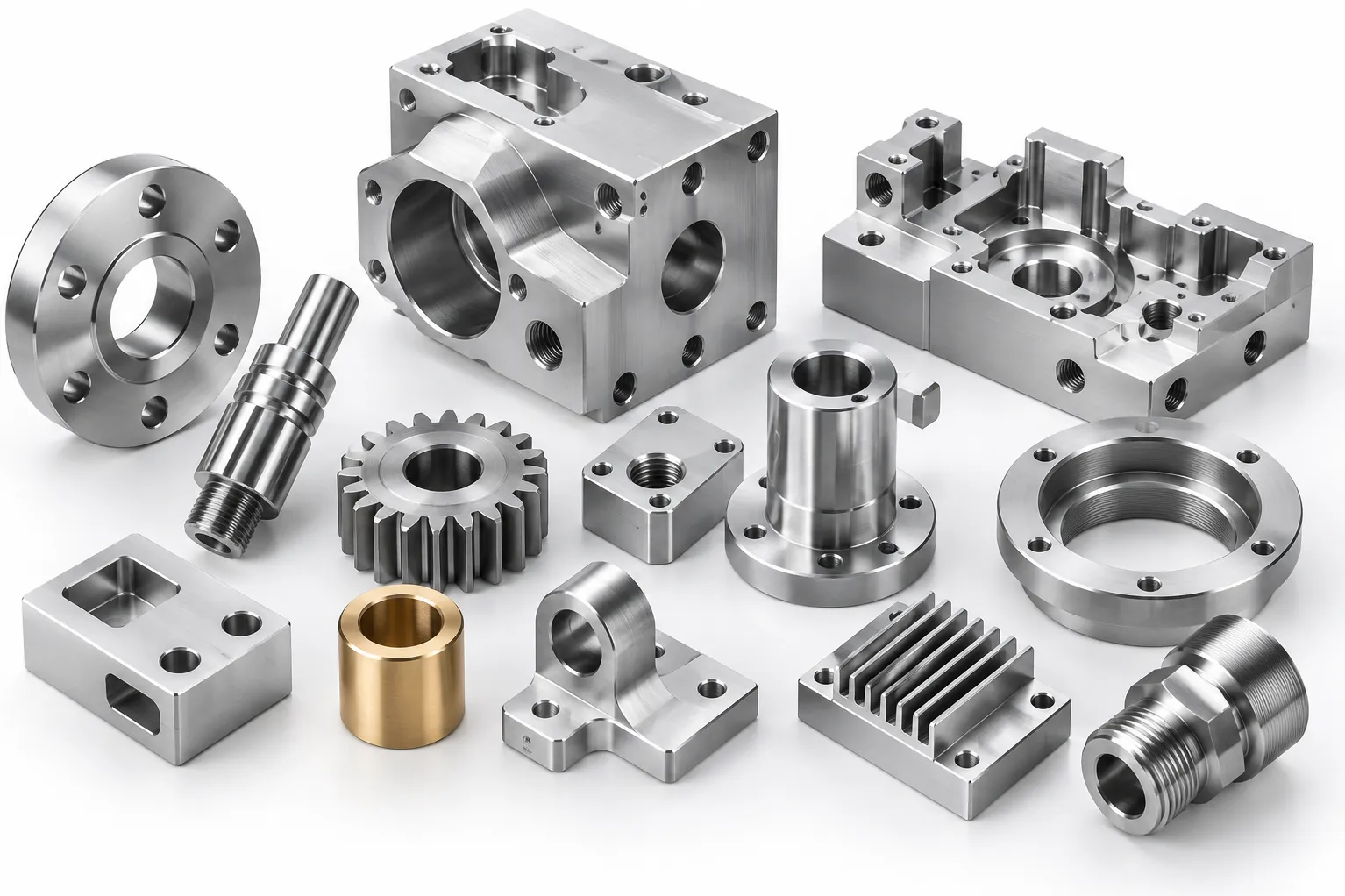
Milling is commonly used for:
- Flat surfaces
- Pockets
- Slots
- Profiles
- Mounting faces
- Hole patterns
- Contoured features
VMC machining is often selected for components requiring multiple milled features with controlled positioning.
Some Components Need Both Processes
Real engineering components do not always fit neatly into a single process category.
A shaft, for example, may primarily require turning but also need a keyway, cross-hole, flat surface, or milled slot. In such cases, the component may move through turning and milling operations.
The manufacturing sequence should be selected according to the drawing and the most efficient way of maintaining critical relationships between features.
What Buyers Should Provide
When requesting turned parts, avoid relying only on a sample or a basic diameter and length description where detailed functionality is involved.
A useful manufacturing drawing should specify:
- Material grade
- Overall dimensions
- Critical diameters
- Tolerances
- Threads and grooves
- Surface finish where required
- Additional milling or drilling
- Quantity
- Inspection requirements
This information allows manufacturers to determine machine suitability, process stages, tooling, inspection, and expected production effort.
Pune and the surrounding Maharashtra industrial belt have substantial demand for custom turned parts used in machinery, assemblies, automation, industrial equipment, and engineering systems.
Virdaks Engineering India Private Limited supports turned component manufacturing based on customer drawings and technical requirements. For sourcing teams, understanding whether a part is predominantly turned, milled, or requires combined machining makes technical discussions more productive.
The right machining process is not selected by terminology alone. Component geometry, tolerances, quantities, materials, and functional requirements should determine how the part is produced.
Keywords